8 hr
Saona Island Catamaran Adventure with Lunch
Cruise to a pristine Caribbean island on speedboat and catamaran with beach time, natural pool stop, and Dominican buffet.
Reserve
Hand-picked by our editors — only the best 5 experiences from 12 reviewed.
Verified partners for every tour, free cancellation where available, and instant confirmation on every booking.
8 hr
Cruise to a pristine Caribbean island on speedboat and catamaran with beach time, natural pool stop, and Dominican buffet.
Reserve
10 hr 30 min
Discover pristine beaches and crystal waters on this all-inclusive island escape with speedboat thrills and catamaran fun
Reserve
7 hr 30 min
Speed boat adventure to pristine Caribbean shores with snorkeling, Dominican lunch, and starfish encounters
ReservePrices from verified partners. Availability updates in real time at checkout. Free cancellation policies apply where shown.
The landmarks, rooms, and views travelers on this tour remember — all visible on a single visit.
The only permanently inhabited village on the island, showcasing local culture and colorful architecture.
They complement each other; most visitors who prioritize conservation call the saona island turtle tour the more enriching experience, while those seeking leisure prefer the standard beach trip. Booking the correct saona island turtle tour tours ensures your visit aligns with your preferred level of wildlife engagement.
| Feature | Top pick Turtle Conservation Tour | Standard Beach Excursion |
|---|---|---|
Primary Focus |
Conservation and nesting | Relaxation and swimming |
Wildlife Interaction |
Direct observation of hatchlings | None |
Group Size |
Small group walking | Large catamaran groups |
Duration |
1–2 hours | 6–8 hours |
Educational Value |
High biological insight | Minimal |
Entrance fee |
5 USD per person | 5 USD per person |
| See tickets → |
Verdict: Choose the conservation-focused saona island turtle tour tour if you value ecological education, whereas the standard beach excursion offers a broader, less intimate experience for securing saona island turtle tour tickets to the region's coastlines.
Choose your ticket, select your date, and reserve in under two minutes. Secure checkout handled by our verified partner.
Instant confirmation by email, with a mobile voucher you can save offline. No printing, no queuing at a collection desk.
Arrive at the entrance, show your voucher on your phone, and walk in. Most tickets include priority or skip-the-line access.
Practical details for your visit straight from our verified partners — hours, access, rules, and how to get there.
Bayahibe, Dominican Republic
Primary marina for most boat operators
Most visitors arrive via private boat or catamaran from Bayahibe.
Wear comfortable beachwear and sturdy sandals suitable for walking in sandy village lanes. Bring a light cover-up for visiting the community areas of Mano Juan during your saona island turtle tour.
Travel light, as you will be boarding small speedboats or catamarans for your saona island turtle tour. Keep valuables in a waterproof bag to protect against ocean spray.
Photography is encouraged at the sanctuary, but always ask permission before taking close-ups of local residents or conservation staff. Use a flash-free setting near the nesting enclosures during your saona island turtle tour.
Mano Juan features unpaved, sandy paths that can be challenging for mobility aids. Visitors on a saona island turtle tour should be prepared for uneven ground throughout the village.
This location is excellent for children, offering educational insights into marine biology. Many operators providing a saona island turtle tour offer family-oriented itineraries with calm swimming stops.
Local vendors in Mano Juan offer authentic Dominican meals, often featuring fresh fish. Most boat-based saona island turtle tour packages include lunch and bottled water.
Best time to go, insider tips, nearby landmarks, and the cancellation fine print — flip through to skim what matters to you.
How crowds, weather, and events shift across the year.
Dry season with pleasant temperatures and calm seas, ideal for a saona island turtle tour.
Lighter boat traffic and reasonable weather before the peak hurricane season.
Warm waters and humid conditions; check local weather reports before booking your saona island turtle tour.
Quiet period with occasional rain; perfect for visitors seeking a less crowded saona island turtle tour.
Small details that turn a good visit into a great one.
The sanctuary relies on donations; consider supporting their work during your visit.
Non-bookable sights within a short walk — free to visit, easy to pair.
A remote, pristine beach known for its natural beauty and lack of facilities.
Flexible, no hidden fees.
Full refunds are typically available for cancellations made at least 24 hours in advance. The 5 USD national park conservation fee is often included in the tour price.
Hand-picked options within walking distance — pick a district for vibe, or a specific hotel for convenience.
Local-run stays for an authentic village experience.
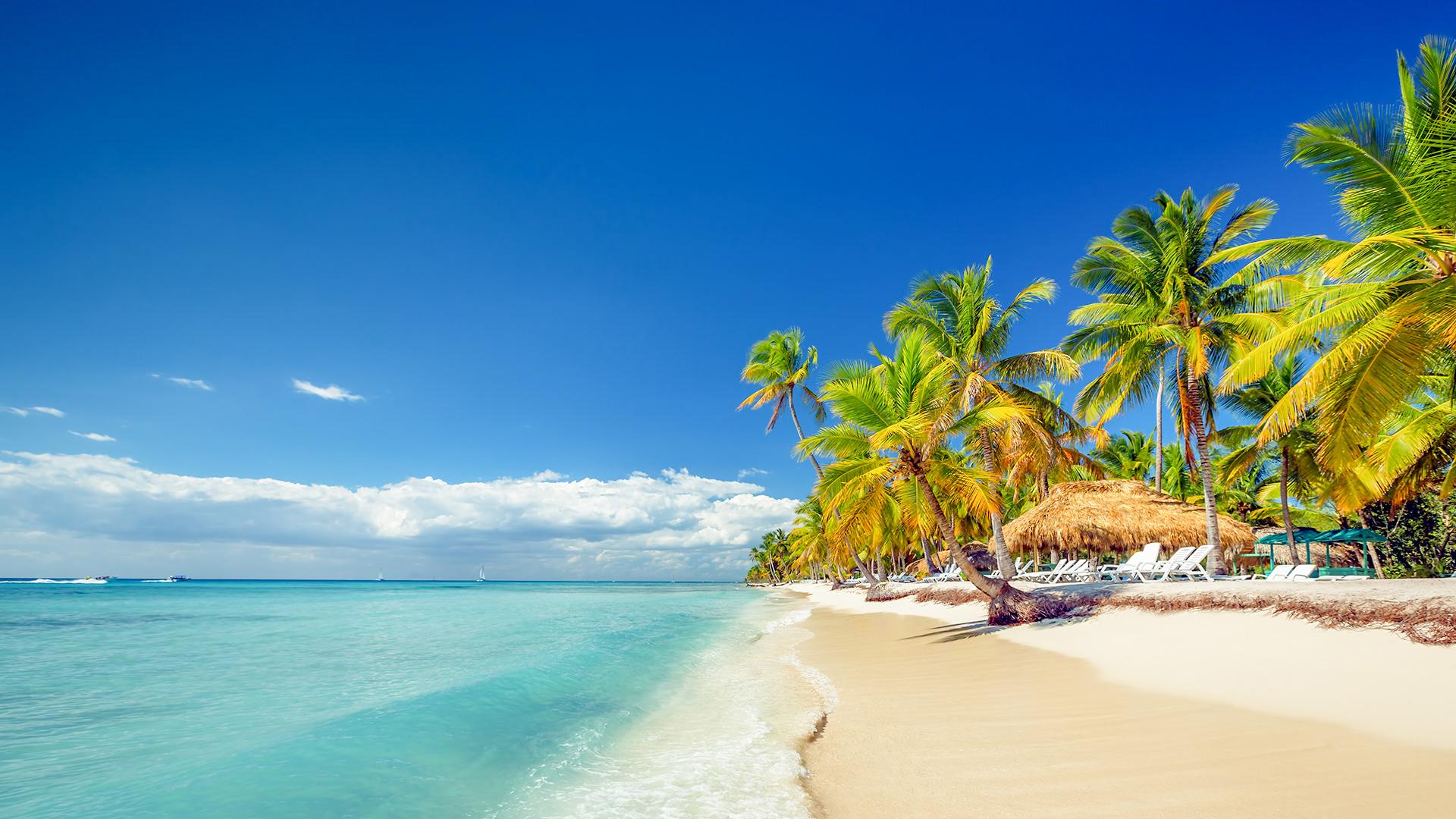
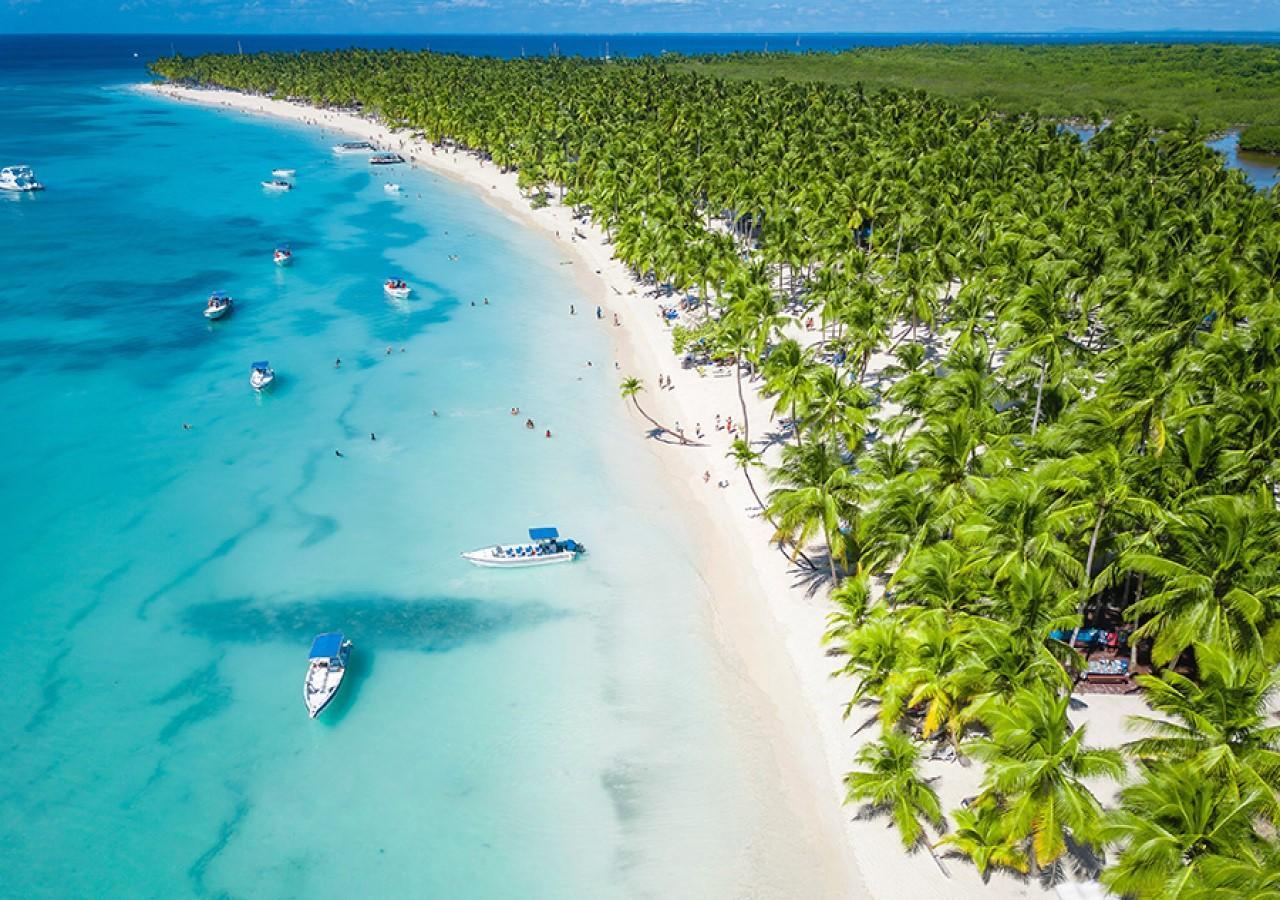
Saona Island sits 22 kilometres off the southeastern Dominican coast, enclosed within Cotubanamá National Park's 310 square kilometres of protected mangrove, reef and nesting beach. The island became a conservation zone in 1975 after loggerhead and hawksbill turtle populations collapsed under unregulated egg collection and coastal development. Today the park shelters five nesting species, with peak activity between April and October when females return to the same white-sand stretches where they hatched decades earlier. The Saona Island turtle tour departs mainland ports at dawn, crossing the Caribbean aboard catamarans or speedboats that trace the park's northern reef line. Operators coordinate with Mano Juan's conservation station, a one-room field office established in 1989 to monitor hatchling survival rates and tag adult turtles during nocturnal patrols. The station logs 200 to 300 nests annually, a modest recovery from near-extinction levels recorded in the 1970s. Visitors land at the village dock where biologists lead shallow-water snorkelling sessions, pointing out juvenile green turtles that graze on seagrass beds between reef outcrops. The natural pool, a submerged sandbar one kilometre offshore, serves as the tour's halfway point. Water depth hovers at waist level across 400 metres of turquoise shallows where starfish cluster on powder-white sand. Guides caution against handling marine life, a rule enforced by park rangers who patrol the zone in aluminium skiffs. The pool's isolation depends on tidal patterns; spring tides sometimes submerge the bar entirely, rerouting tours to the island's eastern coves. Cotubanamá's terrestrial interior remains largely inaccessible, a tangle of royal palm and strangler fig that provides refuge for Hispaniolan parrots and the rhinoceros iguana. The park prohibits overnight stays outside Mano Juan, limiting human impact to daylight hours when tour boats anchor offshore and visitors wade to the beach. Conservation fees collected at entry fund ranger salaries and hatchery operations, basic infrastructure in a park that operates without paved roads or permanent electricity.
"The park logs 200 to 300 nests annually, a modest recovery from near-extinction levels recorded in the 1970s."
A step-by-step walkthrough of the visit — what you'll see, how long each stage takes, and the details that matter.
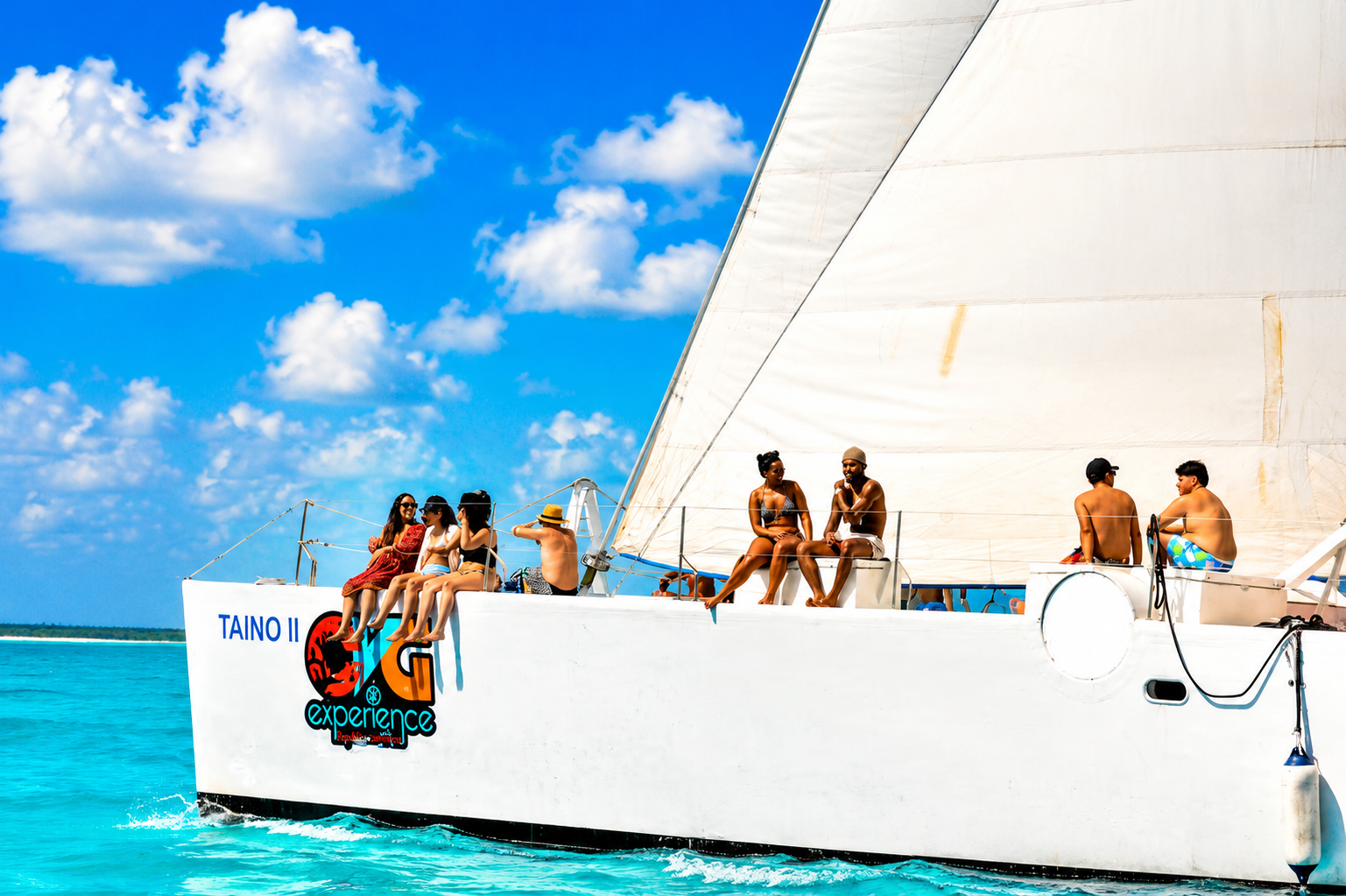
You board the catamaran at 7:30, securing a seat on the netting stretched between hulls as the crew casts off. The crossing takes 90 minutes, spray misting your face when the boat accelerates past Catalina Island's limestone cliffs. Mano Juan's palm-lined shore appears first as a green smudge, then resolves into a row of painted houses where fishing nets dry on wooden racks. You wade ashore and follow the biologist to the conservation hut, a plywood shed displaying turtle shells and laminated nesting-season charts. Snorkel gear distributed, you enter chest-deep water where juvenile turtles surface for air every four minutes, their flippers sculling gracefully between coral heads. The guide points to a hawksbill nibbling sponge from a brain coral crevice, its amber shell catching sunlight. The catamaran motors to the natural pool mid-morning, anchoring where the sandbar glows beneath two feet of crystalline water. You step overboard and walk across submerged sand, starfish motionless at your feet. Lunch arrives on plastic trays—grilled chicken, rice, tropical fruit—and you eat standing in the shallows, salt drying on your arms. The return crossing begins at 3:00, the coastline receding as you settle into the netting for the ride back to port.
The sanctuary area is part of an open village and accessible 00:00–23:59.
The sandy terrain makes the saona island turtle tour difficult for wheelchairs, though village paths are generally walkable.
Plastic waste and items that disturb the wildlife are prohibited on the saona island turtle tour.
Yes, photography is permitted, but avoid flash near the hatchlings during your saona island turtle tour.
Book in advance for the dry season (December–April) to secure the best saona island turtle tour tickets.
Yes, there is an approximate 5 USD national park conservation fee per person.
Yes, families are welcome on almost every saona island turtle tour.
Most operators include a traditional Dominican lunch as part of your saona island turtle tour.
Access is primarily via boat from Bayahibe; follow the best arrival window of 07:30–10:00.